


Why Choose Insulated Cold Packs vs Non-Insulated Instant Cold Packs

Cold therapy supports recovery after injuries, soreness, and swelling. People use cold packs in sports, workplaces, schools, travel bags, and home first-aid kits. Instant cold packs stay popular because they activate with a simple squeeze and provide cooling without ice or refrigeration. The choice between insulated and non-insulated versions shapes the way cooling performs during use.
Many buyers see both options on the market and wonder what difference insulation creates in real-life situations. A closer look helps you choose the right pack for your specific needs.
How Insulated Cold Packs Work
An insulated pack uses an outer layer that slows heat transfer from the environment. This keeps cold inside the pack longer. The insulation acts like the padded wall of a cooler. The temperature around the skin stays steady during therapy instead of warming quickly. This creates a more controlled cooling experience.
Athletic trainers often turn to insulated packs during field games. A player who twists an ankle on the turf needs cold therapy that holds steady during transport from the field to the bench. An insulated pack helps maintain temperature during that walk. Coaches, physical therapists, and caregivers appreciate predictable cooling when timing matters for swelling control.
Some insulated versions include wraps or covers that help keep cold centered on the target area. This reduces slipping and improves comfort during movement. Small details like these matter when treatment needs to happen fast without distraction.
How Non-Insulated Instant Cold Packs Work
A non-insulated pack cools rapidly once activated. It drops in temperature very fast and feels intense at first contact. Many people reach for this type during sudden bumps, sprains, or stings. A student scraped a knee on the playground, for example. A non-insulated pack gives immediate relief in seconds.
The quick cooling tends to fade faster. Heat from the hand or the environment warms the surface more quickly. For short-duration treatment, this works fine. A parent keeping a few packs in the car or a teacher storing packs in a classroom cabinet may like the simplicity. The entire focus stays on fast cooling without concern for longer sessions.
Non-insulated packs cost less to produce. Pricing influences large-scale buyers such as recreation centers or community sports programs, where many packs get used throughout the year.
Key Differences That Shape Your Choice
Both pack types support cooling for injuries, but they perform differently in practice. Understanding how they compare helps guide selection.
Temperature Duration
An insulated pack holds a steady temperature longer. A non-insulated version cools fast, then warms faster. The decision depends on how long the treatment may last. An athletic trainer treating muscle strain across several intervals benefits from insulation. A hiking group using packs for bites or bruises may want rapid initial cooling instead.
Comfort and Skin Protection
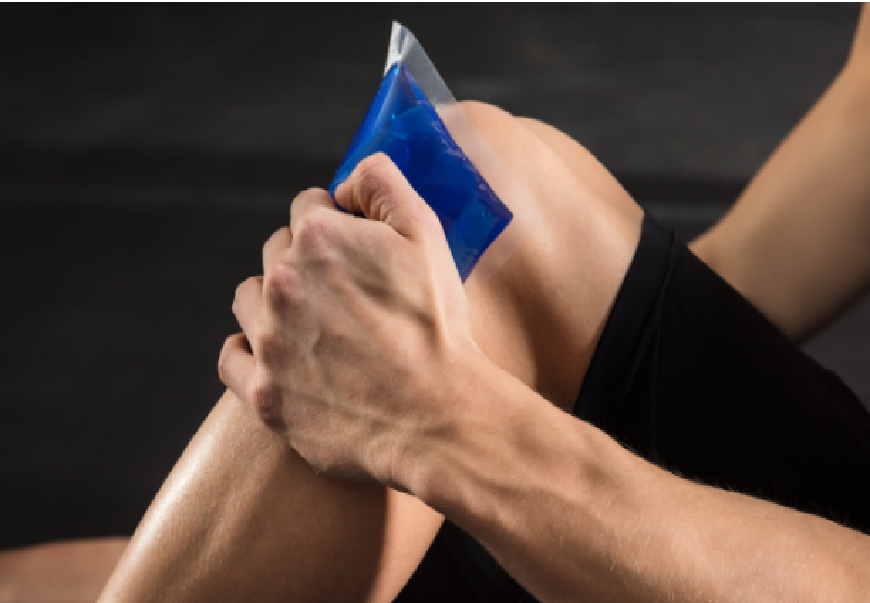
An insulated layer reduces the shock of sharp cold. The temperature feels more controlled. Users often find this more comfortable for larger joints such as knees or shoulders. Non-insulated packs feel colder instantly. This works well for small areas like fingers or toes after impact sports practice.
Storage and Handling
Insulated packs sometimes feature more durable materials. They hold up to frequent movement. Travel nurses, paramedics, and gym clinics value reliability during transport. Non-insulated packs store easily in bulk. Youth sports organizers stock them in bins near fields for quick access.
How to Decide Which Pack You Need
A strong supply partner helps guide selection across industries such as healthcare, sports medicine, and workplace safety. Many organizations choose U.S.-based producers that follow regulated manufacturing practices. These facilities document the full production chain and deliver consistent temperature behavior across each unit.
If you need insulated or non-insulated instant cold packs for medical or commercial applications, reach out to ColdStar International for guidance and solutions tailored to your needs. Contact us!


Comments