


The Best Cold Therapy Protocols for High-Impact Sports Injuries
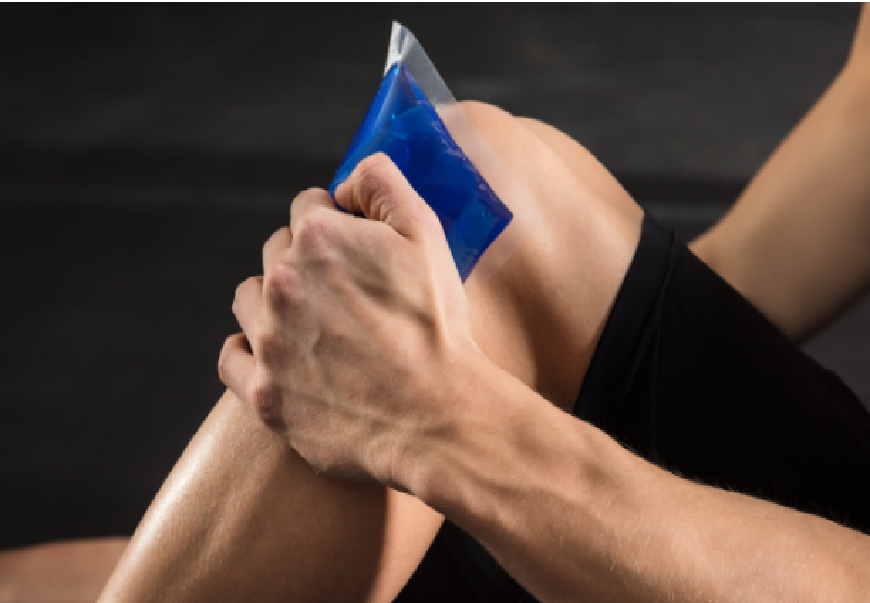
Taking a hard hit on the field is a tough part of the game. When a sudden collision stops you, how you treat the injury in the first few minutes determines how quickly you get back to your feet. High-impact sports injury recovery requires a strategic application of cold therapy to manage deep tissue trauma and cellular stress.
The most effective protocols move beyond simple cooling to focus on phased recovery stages that prioritize blood flow regulation and pain management. By using clinical-grade tools, athletes can significantly reduce the time between that initial impact and their return to play. This process works by controlling the body’s internal response to impact, starting with how cold temperatures affect your cells.
Why Does Cold Therapy Matter for Impact Injuries?
Cold therapy works by narrowing blood vessels and slowing down the metabolic rate of cells at the injury site. This process is essential because it prevents a secondary wave of cell death caused by a lack of oxygen in the swollen tissue. When you apply cold immediately after a hit, you are essentially put the injury into a "slow-motion" state that allows the body to begin repairs without being overwhelmed by excessive fluid buildup.
The success of this treatment depends on the quality of the thermal contact. Standard ice cubes or low-quality packs often create air gaps that prevent even cooling. Professional tools use specific gel formulations that remain flexible when frozen, allowing the cold to wrap around joints and penetrate deep muscle layers. This ensures that the cooling reaches the actual source of the pain rather than just chilling the surface of the skin.
The Science of Secondary Hypoxic Injury Prevention
Secondary hypoxic injury is a biological process where healthy cells surrounding an initial injury die because they are choked off by swelling and a lack of oxygen. Cold therapy prevents this by lowering the oxygen demand of those healthy cells so they can survive the temporary period of low blood flow. This intervention is the most critical factor in determining whether an athlete will be out for a few days or several weeks.
Managing Cellular Metabolism through Cryotherapy
Cryotherapy lowers the temperature of local tissues to slow down chemical reactions within the cells. This reduction in metabolic demand ensures that the limited oxygen available in the traumatized area is sufficient to keep the tissue alive. By keeping these cells healthy, the body avoids a much larger "cleanup" job that would otherwise extend the total recovery timeline significantly.
Reducing Edema and Internal Pressure
Internal pressure from fluid buildup, known as edema, can press against nerves and blood vessels to cause additional pain and damage. Cold therapy acts as a natural regulator by constricting local vessels to limit the volume of fluid that can enter the injured zone. Keeping the swelling under control early on prevents the tight, throbbing sensation that often follows a high-impact collision in contact sports.
Blunting the Pain Response via Nerve Conduction
Cold therapy slows the speed at which nerves send pain signals to the brain, providing a safe and non-chemical form of relief. This numbing effect is not just for comfort as it also prevents the muscles from "guarding" or spasming in response to pain. When muscles stay relaxed, blood flow can eventually return more easily once the cold application period is finished.
The Phases of Effective Athletic Recovery
Effective recovery is not a single event but a series of stages that must be followed to ensure the tissue heals correctly. The first forty-eight hours are dedicated to protection and stabilization, while the following days focus on restoring movement and strength. Each phase requires a different approach to how and when cold is applied to the body.
Athletes should follow these specific steps to ensure they are supporting the natural biological healing cycle of their bodies.
The acute phase focuses on the immediate application of cold to stop the spread of internal swelling and provide instant pain relief.
The sub-acute phase involves using cold to manage soreness after light movement or physical therapy sessions as the athlete returns to activity.
How to Execute the Intermittent Cooling Protocol
The intermittent cooling protocol involves applying cold for ten minutes, removing it for ten minutes, and then applying it again for another ten minutes. This method is often more effective than one long session because it tricks the body into a cycle of flushing the area with fresh blood. It provides the deep cooling benefits while avoiding the risk of skin damage from prolonged exposure to freezing temperatures.
The Benefit of the Ten Minute Cycle
Short bursts of cold therapy prevent the body from triggering a "hunting response" where blood vessels suddenly dilate to protect the skin from frostbite. By cycling the temperature, you maintain the vasoconstriction needed to keep swelling down while still protecting the integrity of the skin. This specific timing is the gold standard for athletic trainers working with professional teams.
Improving Deep Tissue Penetration
To reach deep muscle bruises, the cold source must be pressed firmly against the limb using a compression wrap. This pressure removes the insulating layer of air and fluid between the skin and the cold pack, allowing the thermal transfer to go much deeper. Without this pressure, the cooling effect is often limited to the top few millimeters of tissue, which does little for a deep thigh or shoulder injury.
Maintaining Optimal Gel Temperature
Clinical gel packs are designed to stay within a therapeutic window of thirty-four to forty degrees Fahrenheit for the duration of the treatment. Unlike ice which melts and changes temperature rapidly, these packs provide a steady and predictable pull of heat away from the body. Consistency is the most important factor when you are trying to regulate the internal temperature of a large muscle group.
Maximizing Results with Anatomical Conformity
Anatomical conformity refers to the ability of a cold pack to wrap around the natural curves of the body like a knee or an elbow. When a pack stays flexible, it increases the total surface area being cooled, which leads to a faster drop in the core temperature of the injured joint. This is a primary reason why professional athletes avoid rigid ice blocks in favor of high-quality gel solutions.
There are several reasons why the physical shape and flexibility of your cold therapy tool will dictate your success.
Proper wrapping ensures that there are no "hot spots" where the injury remains warm while the skin around it is chilled.
Flexibility allows the athlete to keep the limb in a comfortable, elevated position without the pack sliding off or shifting during the treatment.
Common Pitfalls in Sports Cold Therapy
Effective cryotherapy depends as much on what you avoid as it does on the techniques you choose to implement. Understanding these frequent mistakes helps athletes prevent skin damage and ensures the biological healing process remains on the correct timeline.
Avoiding the Over-Icing Trap: Leaving a cold pack on for too long can trigger a defensive blood rush that actually increases internal swelling.
Recognizing the Need for a Barrier: A thin cloth or protective film prevents the sharp stinging sensation that leads to skin irritation or ice burns.
Timing the Shift to Heat: Introducing heat before the initial forty-eight-hour inflammatory window has closed can restart the swelling process and delay recovery.
The Role of Compression in High-Impact Healing
Compression works alongside cold therapy to physically push extra fluid out of the injured area and back into the lymphatic system. By narrowing the space available for fluid to collect, compression ensures that the "cleanup" crew of the body can work more efficiently. When combined with cold, compression creates a powerful two-pronged attack on the inflammation caused by sports trauma.
Stabilizing the Injured Area
A tight wrap provides a sense of security and stability that prevents the athlete from making sudden movements that could re-injure the tissue. This mechanical support is vital during the first few hours when the ligaments or muscles are at their most vulnerable. The compression also helps the cold pack stay in the exact position where it is needed most.
Enhancing Thermal Conductivity
Applying pressure to a cold pack actually makes it "colder" in terms of how much heat it can pull from your body. By closing the gap between the pack and the skin, you create a more efficient bridge for the heat to travel across. This is why many modern recovery systems use air pressure sleeves that fit over the cold packs to maximize the cooling power.
Facilitating Lymphatic Drainage
The lymphatic system does not have its own pump and relies on muscle movement and external pressure to move fluid. Compression provides that necessary push to help the body clear out the metabolic waste and damaged cells that accumulate after a hard hit. This clearance is what eventually allows the "good" blood to enter the area and start the building of new, healthy tissue.
Supporting Your Recovery with ColdStar International
Choosing the right equipment is just as important as following the correct protocol for your recovery. ColdStar International provides the high-utility tools needed for serious athletes and clinicians who cannot afford to waste time with substandard supplies. Their medical-grade gel packs are engineered to offer the durability and flexibility required for the high-impact injury protocols discussed in this guide.
The heavy-duty construction of ColdStar International products ensures they can be used many times without losing their cooling properties. Contact us to learn more about how our professional tools provide the durability and consistent temperatures needed for athletic recovery. When you use high-quality equipment, you take the guesswork out of your healing journey and give your body the best chance to return to the game quickly.
Frequently Asked Questions
1. How long should I ice a sports injury?
You should apply cold therapy for fifteen to twenty minutes at a time. It is important to wait at least sixty minutes between sessions to allow the skin and underlying tissues to return to a normal temperature and maintain healthy blood flow.
2. Is ice or heat better for a muscle hit?
For a high-impact hit, cold is almost always the better choice for the first forty-eight hours. Heat should only be introduced after the initial swelling has stabilized and the area is no longer tender or warm to the touch.
3. Can I use a cold pack while sleeping?
It is not recommended to sleep with a cold pack on because you cannot monitor your skin's reaction or the duration of the treatment. This significantly increases the risk of skin damage or frostbite due to prolonged exposure.
4. Why does my injury still swell even after icing?
Swelling is a natural part of the body's defense system and will likely occur to some degree regardless of treatment. Cold therapy is meant to manage and limit that swelling rather than stop it entirely, as some inflammation is necessary for healing.
5. How do I know if my cold pack is clinical grade?
Clinical-grade packs usually feature thicker outer films, non-toxic food-grade gels, and stay flexible even at very low temperatures. They are built to survive hundreds of freeze-thaw cycles without leaking or losing their ability to hold a specific temperature.


Comments